
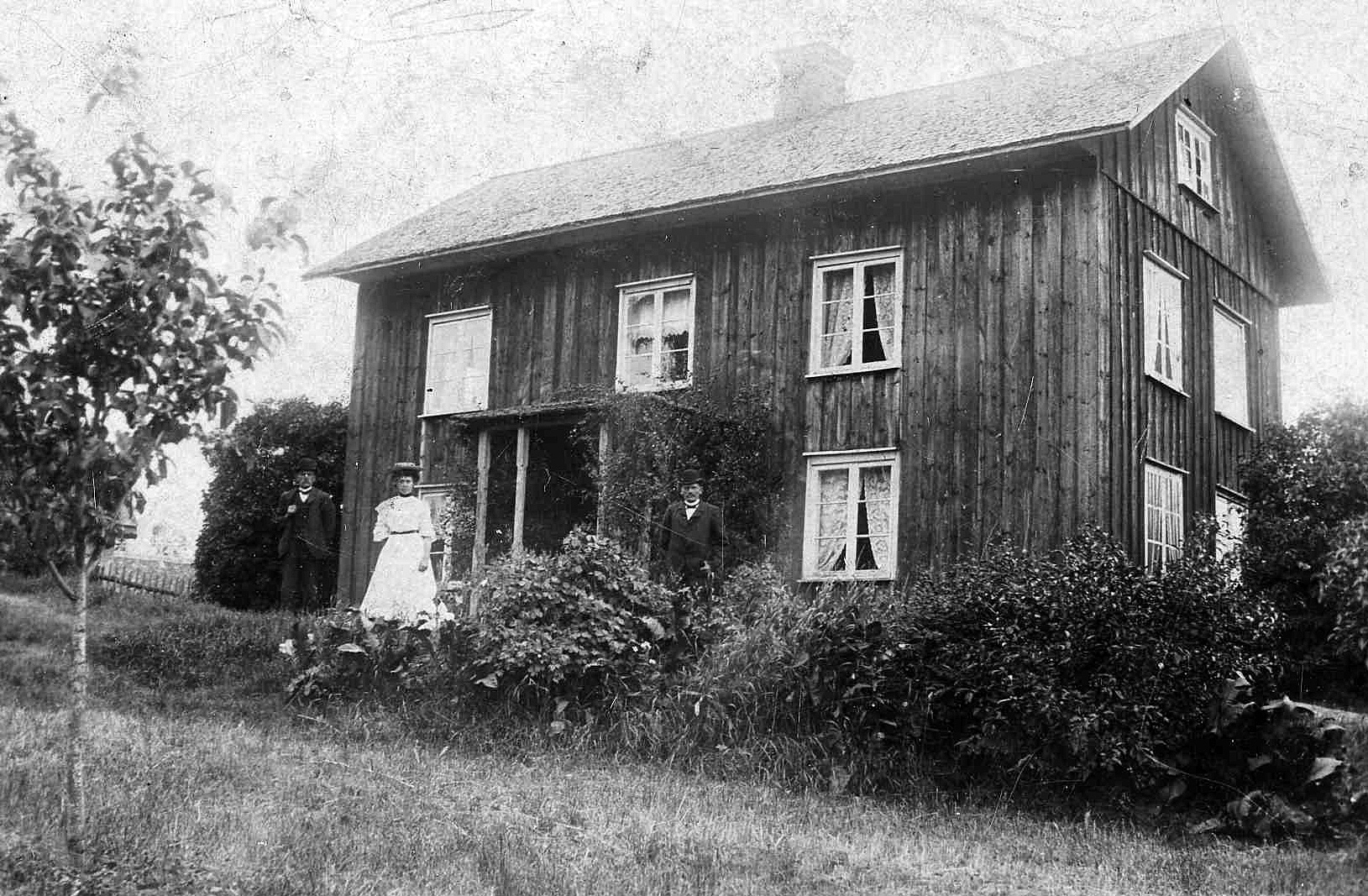
HOME. What idea does that word conjure up for you? Do you immediately think of a particular place or even a particular house or apartment? Or is it more nebulous than that?
I’ve been talking to a lot of people lately about what home means to them. For some, it is a community. The geographical place where you grew up, or where you spent a good chunk of time. Or maybe it is the community where you spent a smaller but pivotal part of your life.
In my unscientific study, more people thought of a specific residence. But not just any residence. A residence where they felt the most comfortable, where they could be themselves. One of the wisest people I know – my mother – told me, “Sometimes, a house is just a place to live – four walls and a roof. But a home becomes part of you.”
For people who have lived in just a few places, asking them about their home is easy. It was the house they grew up in. Or it was the house they raised their kids in.
But home is sometimes a more complicated choice for those folks who have lived in many different places. For those people, they consciously choose which dwelling felt more like home. It is sometimes, but not always, the place where they spent the most time. It seems like, though, home is always the place that they have emotionally connected with on some level. It holds special memories. It carries with it a feeling of comfort and safety. Home somehow intertwines the basic necessity of shelter with the essence of what makes you, you.
Preserving your memory of home
How do you preserve this idea of home? Certainly, you can preserve it photographically. If it is a place in your past, find those photos that illustrate what your home looked like. You may find that there are few images of the home specifically, but you’ll probably find some photos that document this place even if the main subject is something entirely different. I always encourage people to document their residences, especially those that are long-term residences. Photograph the exterior and interior. The things that occupy your home with you are just as important as the dimension of the rooms and what kind of windows you have, the structure itself and what surrounds it. What kinds of things make up your home?
Don’t forget to document the neighborhood where your home sits. Is it rural? Urban? Suburban? What do other residences look like? What does the street contain? What is the environment like around your home or your neighborhood? What does your neighborhood contain besides residences? A park? A school? Businesses? What does your neighborhood feel like? How does it influence your home? How does your home and neighborhood fit into the larger community?
Then maybe you would like to take your documentation a step further. Document the stories of your home. Record what happened there – everyday life and special celebrations. Who made up your home? How did this structure – the four walls and a roof – become home to you? How does it feel? Write down these stories, or perhaps record them orally. Or have someone conduct an oral history interview of you.
Want to take it yet another step further? Put those photographs and your stories together into a book. Preserve all those details of what makes your home, your home. Keeping those memories safe is a great way to forever preserve your home and what it means to you.
So, close your eyes. Picture HOME. What do you see?

